What Does a VIN Check Show? Everything You Need to Know
Table of Contents
You’ve found a used car that looks perfect — low mileage, clean exterior, and the price seems right. But before you hand over your money, there’s one critical step most buyers skip: running a VIN check. And if you’re wondering what does a VIN check show, you’re asking exactly the right question.
A vehicle identification number (VIN) is a 17-character code unique to every car, truck, and SUV manufactured since 1981. Think of it as a car’s fingerprint. When you run a VIN check, you’re unlocking that vehicle’s entire recorded history — accidents, title transfers, odometer readings, recalls, and far more than a seller will ever voluntarily disclose.
In this comprehensive guide, we’ll break down exactly what a VIN check reveals, where the data comes from, how to run one yourself, and why skipping this step could cost you thousands. Whether you’re a first-time buyer or a seasoned car shopper, understanding VIN check results is your best defense against hidden problems.
What Is a VIN Check?
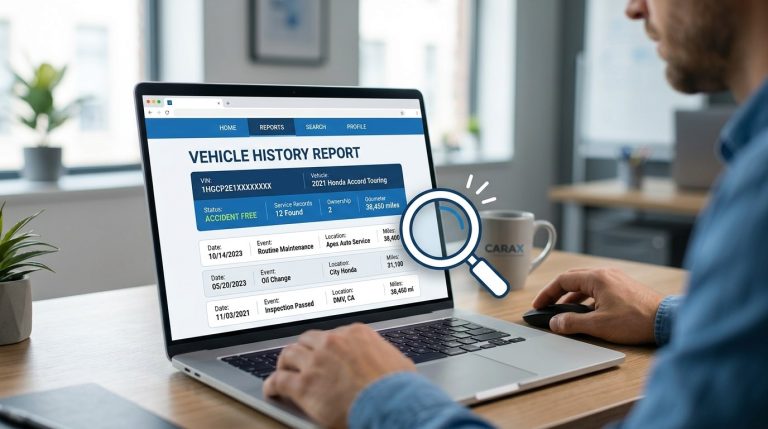
A VIN check is a search that uses a vehicle’s unique 17-digit identification number to pull its recorded history from national and state-level databases. Every time a car is titled, insured, inspected, recalled, or involved in an accident, that event is potentially logged against its VIN number.
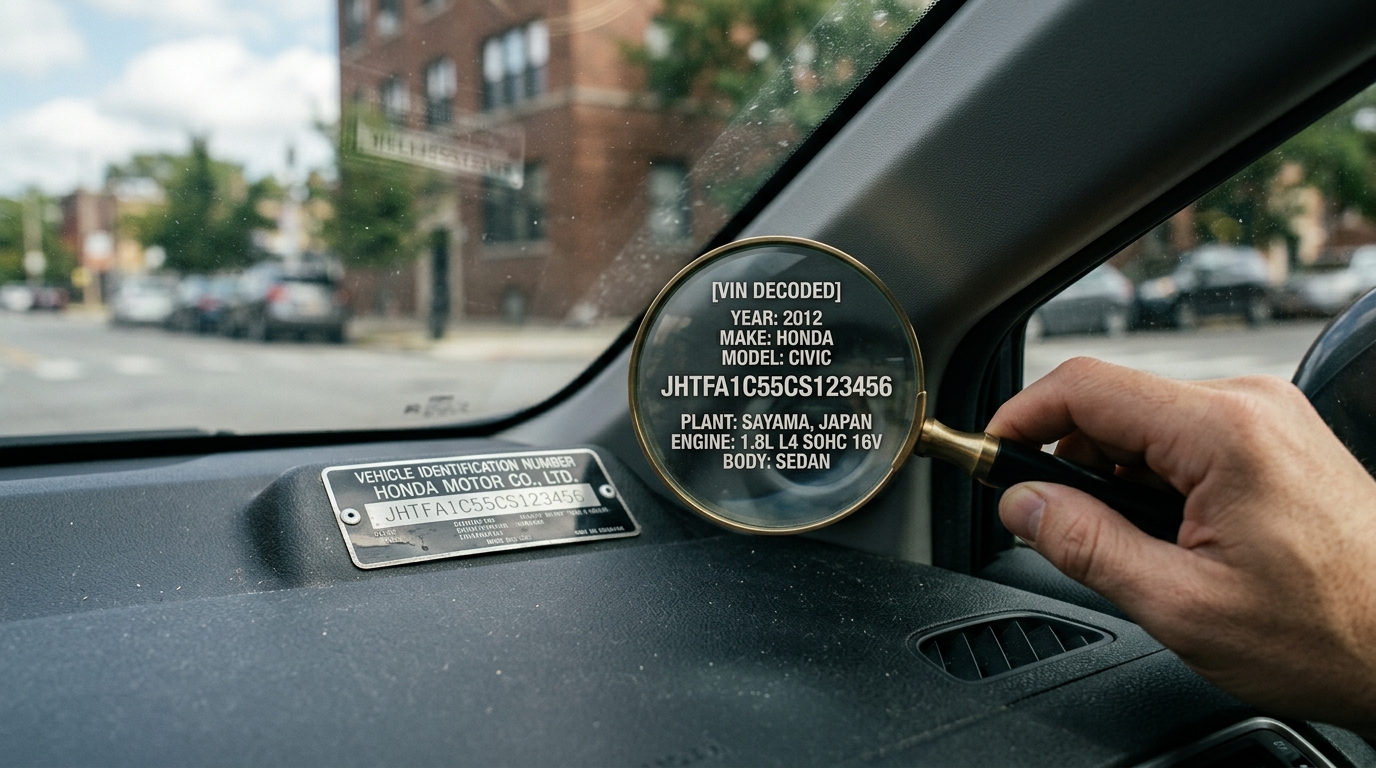
The VIN itself contains encoded information about the vehicle — the manufacturer, model year, engine type, assembly plant, and a unique serial number. If you’re unfamiliar with how VINs work, our guide on how to read a VIN number breaks down every digit in detail.
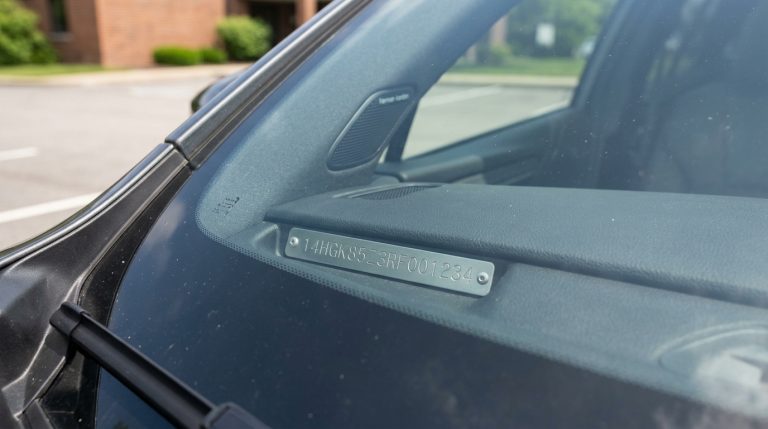
You can find a car’s VIN in several places:
- Driver’s side dashboard — visible through the windshield at the base
- Driver’s side door jamb — on a sticker with other vehicle info
- Vehicle registration and insurance documents
- Title certificate
Once you have the VIN, running a vehicle history search takes less than a minute and can save you from buying a car with a dangerous hidden history.
What Does a VIN Check Show? A Complete Breakdown
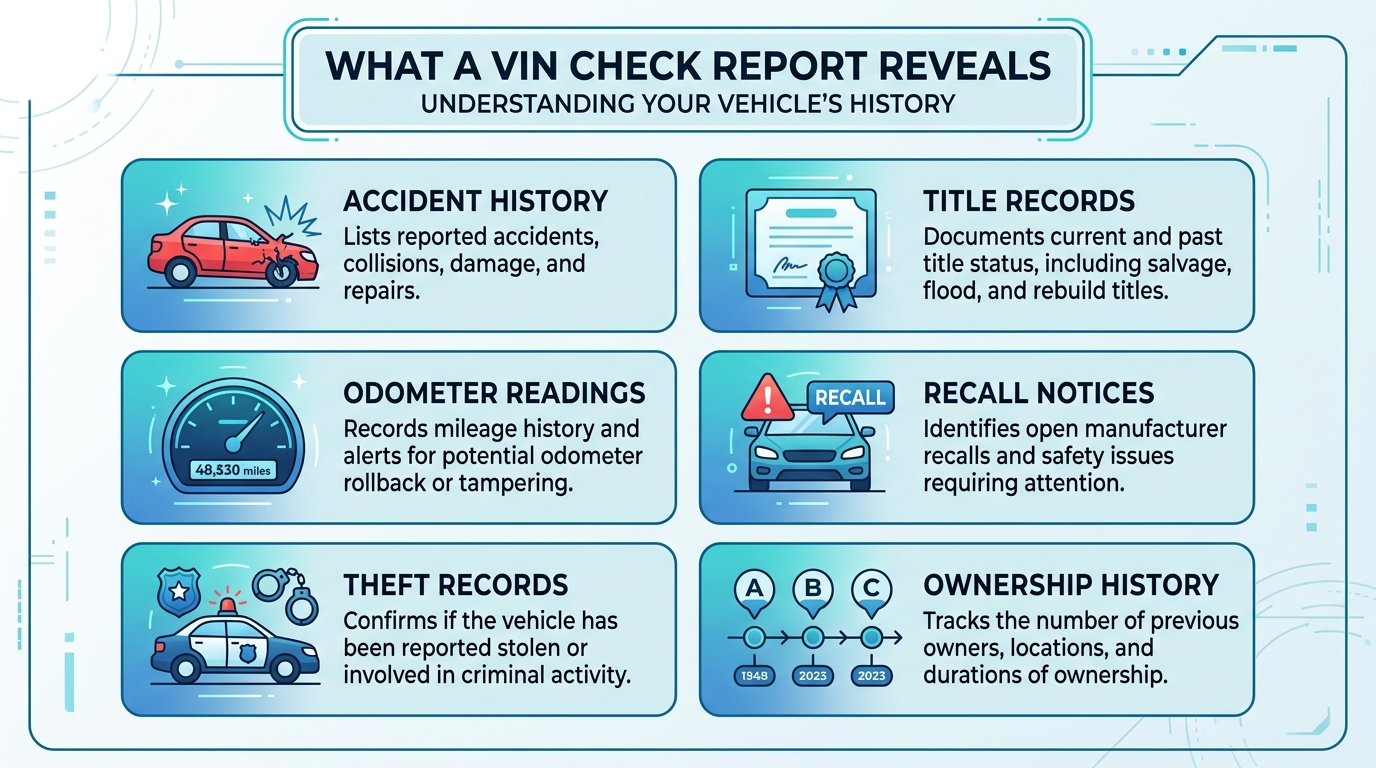
So what exactly does a VIN check show? A comprehensive vehicle history report pulls data from multiple sources to paint a complete picture of a vehicle’s past. Here’s every major category of information you can expect to find.
1. Title History and Status
The title record is one of the most important things a vehicle history report shows. You’ll see:
- Current title status (clean, salvage, rebuilt, junk, lemon)
- Number of times the vehicle has been titled
- States where it was previously registered
- Any title brands applied by state DMVs
A salvage title means an insurance company declared the car a total loss — usually after severe damage. A rebuilt title means a salvage vehicle was repaired and passed inspection. Both significantly affect value and safety. According to NHTSA, vehicles with rebuilt titles sell for 20-40% less than comparable clean-title vehicles.
2. Accident and Damage History
A VIN report shows reported accidents including:
- Date and location of each reported incident
- Severity (minor, moderate, severe)
- Which areas of the vehicle sustained damage
- Whether airbags deployed
- Insurance claims filed
Keep in mind that not every fender-bender gets reported. Minor incidents handled without insurance may not appear. However, any significant collision that triggered an insurance claim or police report will typically show up in a vehicle history report.
3. Odometer Readings and Rollback Detection
Every time a vehicle’s mileage is recorded — during title transfers, inspections, or service visits — that reading can be tracked through its VIN. A VIN lookup shows:
- Historical odometer readings with dates
- Flags for potential odometer rollback or tampering
- Discrepancies that suggest the mileage may not be accurate
The Federal Trade Commission (FTC) estimates that odometer fraud costs American car buyers over $1 billion annually. A vehicle history search is one of the most reliable ways to catch it.
4. Ownership History
While a VIN lookup won’t reveal previous owners’ personal information, it does show:
- Number of previous owners
- Duration of each ownership period
- Type of use (personal, fleet, rental, lease, commercial)
- Registration state for each ownership period
A car that’s had five owners in three years tells a very different story than one with a single long-term owner. Frequent ownership changes can indicate recurring problems that each owner discovered and decided to pass along.
5. Recall Information
Safety recalls are issued when a manufacturer or NHTSA identifies a defect that poses a safety risk. A VIN report shows:
- All open (unrepaired) recalls for that specific vehicle
- Completed recall repairs
- Description of each recall issue
- Remedy provided by the manufacturer
This is critical because recall repairs are free regardless of the vehicle’s age or warranty status. If a seller claims to be unaware of open recalls, that’s a red flag. You can also verify recall information directly through NHTSA’s recall lookup tool.
6. Theft Records
A thorough VIN search queries the National Motor Vehicle Title Information System (NMVTIS) and other databases to show whether a vehicle has been reported stolen. This includes:
- Active theft reports
- Recovered stolen vehicle status
- VIN cloning alerts (where a stolen car’s VIN is replaced with a legitimate one)
Buying a stolen vehicle — even unknowingly — means you lose the car and your money. Law enforcement will seize the vehicle and return it to its rightful owner. Our article on why you should always run a VIN check before buying a car covers this risk in detail.
7. Flood, Fire, and Hail Damage
Natural disaster damage is one of the most commonly concealed issues in used car sales. A vehicle history report can show:
- Flood damage history
- Fire damage records
- Hail damage reports
- Insurance total loss declarations from weather events
After major hurricanes or floods, thousands of water-damaged vehicles get dried out, cleaned up, and shipped to other states for sale. NMVTIS data helps track these cars, but a thorough VIN lookup goes deeper by cross-referencing multiple databases.
8. Lien and Loan Information
Some VIN reports show whether the vehicle currently has a lien — meaning someone still owes money on it. Buying a car with an outstanding lien means the lender could repossess it from you, even though you’re the new owner. A VIN search helps you verify that the title is clear before purchase.
9. Service and Maintenance Records
Depending on the data source, a vehicle history report may also show:
- Dealership service records
- Scheduled maintenance history
- Major repairs performed
- Parts replaced
Regular maintenance records are a strong indicator that a vehicle was well cared for. Gaps in service history, on the other hand, might warrant a closer inspection.
Where Does VIN Check Data Come From?
Understanding where vehicle history data originates helps explain why some reports are more comprehensive than others. The primary sources include:
- NMVTIS — The federally mandated National Motor Vehicle Title Information System, operated by the Department of Justice. Insurance carriers, salvage yards, and state DMVs are required by law to report to NMVTIS. Learn more in our detailed guide to the NMVTIS database.
- State DMV records — Title transfers, registrations, and title brands
- Insurance company databases — Claims data, total loss declarations, theft reports
- NHTSA — Recall information and safety complaints
- Auto auction records — Condition reports from wholesale auctions
- Law enforcement databases — Theft reports, recovered vehicle records
- Service facility records — Dealership and repair shop maintenance logs
Premium vehicle history services aggregate data from all these sources into a single, easy-to-read report. Free lookups typically only access one or two databases, which is why they often miss critical information.
Free vs. Paid VIN Checks: What You Actually Get
Not all vehicle history searches are created equal. Here’s what you can realistically expect from each tier:
Free VIN Checks
- Basic vehicle specifications (year, make, model, engine)
- Open recall information (available free from NHTSA)
- Limited title information
- May show whether a salvage title exists
Free searches are a solid starting point, but they rarely include accident history, detailed ownership records, or odometer verification. For a deeper look at what free options offer, check out our guide to free VIN checks.
Paid VIN Checks
- Complete accident and damage history
- Full title history with all brands
- Detailed odometer records with rollback detection
- Ownership timeline
- Theft records
- Flood, fire, and hail damage
- Auction records with photos
- Service and maintenance history
- Market value estimates
When you’re spending thousands on a used vehicle, a paid vehicle history report — typically $10-40 — is one of the smartest investments you can make. Services like VINCheckup provide comprehensive reports that pull from NMVTIS and multiple additional sources, giving you the most complete picture available.
How to Run a VIN Check in 3 Simple Steps
Running a vehicle history search is straightforward. Here’s exactly how to do it:
- Locate the VIN — Find the 17-character code on the vehicle’s dashboard, door jamb, or paperwork. If you’re shopping online, the listing should include the VIN. If it doesn’t, ask for it — and be wary if the seller refuses.
- Choose a vehicle history provider — For the most comprehensive results, use a service that aggregates data from NMVTIS, insurance databases, and state records. VINCheckup is our top recommendation for its depth of data and clean report format. You can also check our comparison of the best VIN check services.
- Review the report carefully — Don’t just skim the summary. Look at every section, especially title history, accident records, and odometer readings. Cross-reference what the seller told you with what the report shows.
The entire process takes under five minutes and could save you from a costly mistake. For a more detailed walkthrough, check out our VIN number lookup guide.
When Should You Run a VIN Check?
While most people associate vehicle history reports with used car purchases, there are several situations where running a VIN lookup makes sense:
- Before buying any used vehicle — This is non-negotiable. Whether from a dealer or private seller, always run a vehicle history search.
- Before selling your car — Know what buyers will find so you can price accordingly and address concerns proactively.
- After an accident — Verify that accident reports were filed accurately to protect your vehicle’s resale value.
- When checking for recalls — Even if you’ve owned the car for years, new recalls are issued regularly.
- During insurance disputes — A VIN report can provide documentation to support your claim.
- Before a long road trip — Check for open recalls that could affect vehicle safety.
Red Flags a VIN Check Can Reveal
When reviewing a vehicle history report, watch for these warning signs:
- Title washing — The car was titled as salvage in one state, then re-titled as clean in another. This is illegal but still happens.
- Odometer inconsistencies — Mileage that decreases between recorded readings is a clear sign of tampering.
- Multiple owners in a short period — Could indicate recurring mechanical or electrical problems.
- Flood damage in a landlocked state — Cars damaged in coastal hurricanes are frequently shipped inland for resale.
- Gaps in history — Extended periods with no recorded activity could mean the car was in storage, impounded, or had its records suppressed.
- VIN mismatch — The VIN on the dashboard doesn’t match the one on the door jamb, title, or engine block. This could indicate VIN cloning or parts from multiple vehicles.
If a VIN search reveals any of these issues, proceed with extreme caution — or walk away entirely. Our detailed review of VINCheckup shows examples of what these red flags look like in actual reports.
Frequently Asked Questions
What does a VIN check show that a Carfax doesn’t?
Both VIN reports and Carfax pull from overlapping databases, but different providers have access to different data sources. Some vehicle history services include auction photos, more detailed service records, or better coverage of specific states. Running checks from two different providers gives you the most complete view of a vehicle’s history.
Can a VIN check show everything wrong with a car?
No. A vehicle history report shows the reported history — events that were logged in databases. Unreported accidents, off-the-books repairs, and mechanical wear don’t appear. That’s why you should always combine a VIN lookup with a professional pre-purchase inspection.
How much does a VIN check cost?
Free VIN lookups provide basic information. Comprehensive reports from providers like VINCheckup typically cost between $10 and $40, depending on the level of detail. Compared to the thousands you could lose on a bad purchase, it’s an insignificant investment.
Is a VIN check the same as a VIN decoder?
Not exactly. A VIN decoder translates the 17-character VIN into basic vehicle specifications — year, make, model, engine, and assembly plant. A VIN check goes much further, pulling the vehicle’s full history including accidents, title records, ownership, and more. Most comprehensive vehicle history services include decoding as part of their report.
Can a seller refuse to provide the VIN?
A VIN is not private information — it’s visible on the dashboard of every car. If a seller won’t share the VIN or discourages you from running a vehicle history search, that’s one of the biggest red flags in used car buying. Walk away immediately.
The Bottom Line
Understanding what a VIN check shows isn’t just useful knowledge — it’s essential protection. From title fraud and odometer rollback to hidden accident damage and open safety recalls, a vehicle history report arms you with the facts before you commit to a purchase.
The data is out there. Insurance companies, state DMVs, NHTSA, and NMVTIS have been collecting vehicle history for decades. All you need to do is access it. A comprehensive vehicle history search through a service like VINCheckup takes less than five minutes and costs a fraction of what you’d lose on a car with a hidden past.
Don’t let a great-looking deal turn into an expensive mistake. Run the VIN check. Read the report. Make an informed decision.