VINCheckup Review 2026: Is It Worth It? (Honest Look)
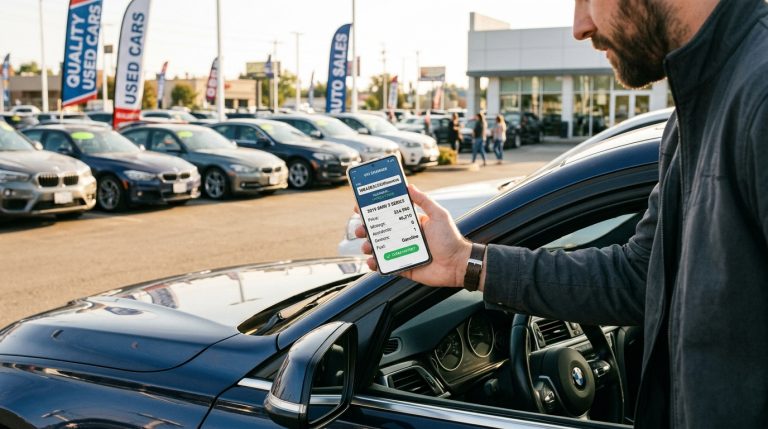
You’re looking at a used car, the price seems right, and the seller swears it’s never been in an accident. But how do you actually verify that? You run a vehicle history report. And if you’ve priced out Carfax at nearly $45 a pop, you’ve probably wondered: is there a cheaper option that actually works?
That’s where VINCheckup comes in. I’ve dug into exactly what you get, what you don’t, and whether it’s worth your money.
What Is VINCheckup?
VINCheckup is an online vehicle history report service that pulls data from NMVTIS — the National Motor Vehicle Title Information System. That’s the federal database maintained by the U.S. Department of Justice, and it’s the only vehicle history system in the country that all 50 states, insurance carriers, and junk/salvage yards are required by federal law to report to.
If you’re not familiar with what a VIN check does, we’ve got a full explainer: What Is a VIN Check & Why You Need One
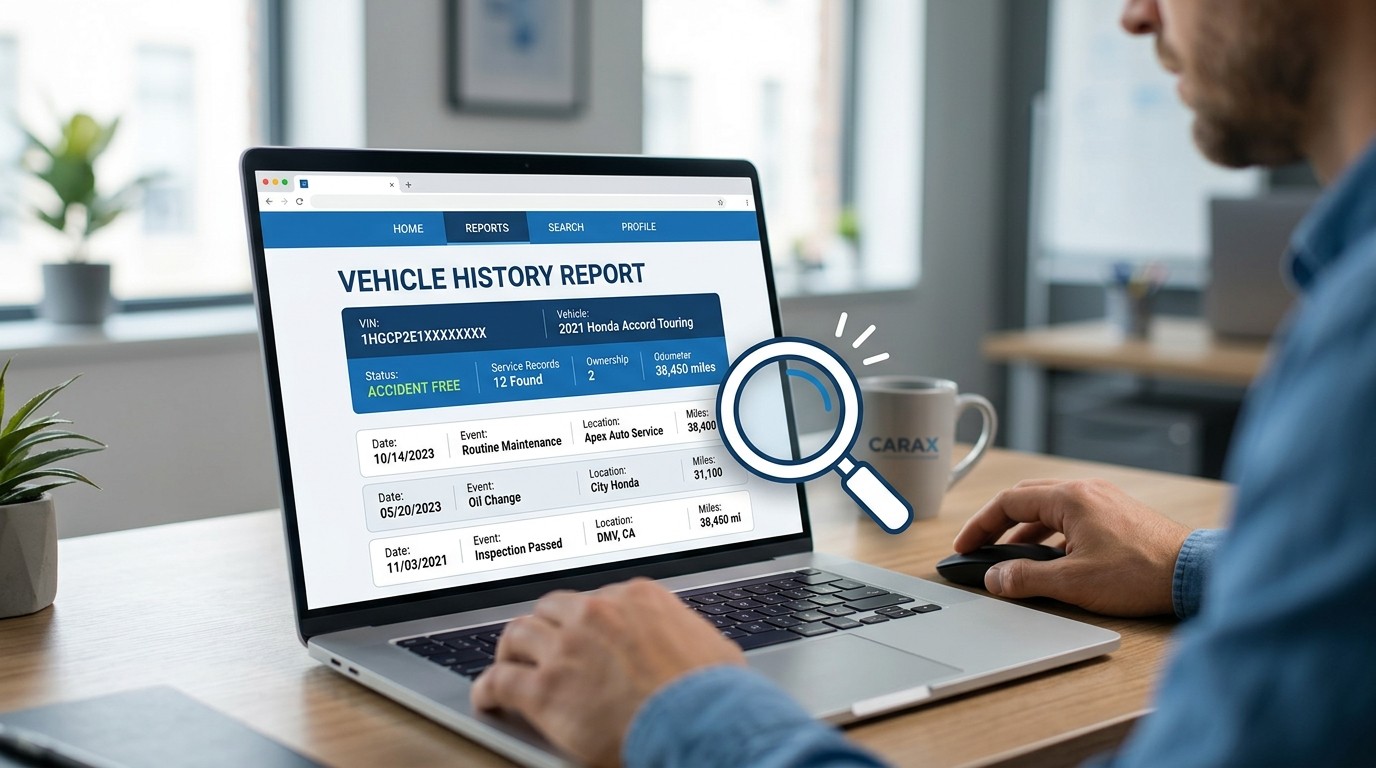
You enter a vehicle’s 17-character VIN, and VINCheckup compiles a report from government and insurance records covering that vehicle’s history — accidents, title brands, odometer readings, theft records, and more. It covers cars, trucks, vans, motorcycles, and RVs from 1981 onward, with reports delivered instantly.
What You Get in a VINCheckup Report
A VINCheckup report covers the essentials that matter most when evaluating a used vehicle:
- Accident & total loss history — Collision records, severity indicators, and insurance total loss claims across all 50 states
- Title brand records — Over 60 title brand types including salvage, rebuilt, flood, junk, and lemon designations
- Odometer check — Mileage timeline from DMV records, flagging potential rollbacks or inconsistencies (learn about odometer fraud)
- Theft records — Whether the vehicle has ever been reported stolen or recovered (how to check if a car is stolen)
- Ownership history — Number of previous owners and state-level title transfers
- Lien & impound records — Outstanding financial claims and impound history
- Commercial use history — Whether the vehicle was used as a taxi, fleet vehicle, or rental
- Problem checklist — Summary flags for flood damage, fire, hail, recalls, and defects
What it doesn’t include: VINCheckup isn’t as deep on service and maintenance records as Carfax — you won’t find oil change logs or brake job history. It also doesn’t include auction photos. But for most buyers, the critical question isn’t “when was the oil changed?” — it’s “has this car been wrecked, flooded, stolen, or had its odometer tampered with?” VINCheckup answers those questions.
VINCheckup Pricing Breakdown
This is where VINCheckup really stands out. Here’s what the tiers look like as of early 2026:
| Package | Total Cost | Per Report | Savings |
|---|---|---|---|
| 1 Report | $19.95 | $19.95 | — |
| 3 Reports | $29.95 | $9.72 | 35% off |
| 10 Reports | $49.95 | $4.99 | 67% off |
The 10-report pack is the standout. At $4.99 per report, you’re paying roughly one-ninth of a single Carfax report. No subscription — buy the pack, use reports when you need them, done.
If you’re actively car shopping and comparing multiple vehicles (which most buyers are), the 10-pack makes the most financial sense. Even the 3-pack at $9.72/report is still less than a quarter of Carfax’s single-report price.
Pros and Cons
Let’s be real about what VINCheckup does well and where it falls short.
✅ Pros
- Significantly cheaper than competitors — As low as $4.99/report vs. $44.99 for Carfax
- NMVTIS data access — Same federally mandated database that tracks title and salvage records across all states
- Instant delivery — Reports generated immediately after purchase
- No subscription required — Pay per report or per pack, no recurring charges
- Covers 60+ title brands — Comprehensive title history including salvage, flood, lemon, and more
- Covers all vehicle types — Cars, trucks, motorcycles, RVs from 1981+
- Free preliminary VIN check — Basic preview before you commit to a paid report
❌ Cons
- Less detailed maintenance records — Doesn’t match Carfax on service history depth (oil changes, brake jobs, etc.)
- No auction photos — Some competitors include images of vehicles from auction listings
- No buyback guarantee — Carfax offers a buyback guarantee on certain vehicles; VINCheckup doesn’t
- Data varies by vehicle — Like all VIN services, report depth depends on what’s been reported for that specific car
- 30-day report access — Reports are only stored for 30 days (download your PDF right away)
- Less brand recognition — Your mechanic or dealer may not recognize VINCheckup the way they’d recognize Carfax
The cons are real, but context matters. The missing maintenance data is a tradeoff most budget-conscious buyers can accept, and Carfax’s buyback guarantee only applies to a limited number of vehicles anyway.
VINCheckup vs. Carfax vs. AutoCheck
Here’s how VINCheckup stacks up against the two biggest names in vehicle history reports:
| Feature | VINCheckup | Carfax | AutoCheck |
|---|---|---|---|
| Single Report Price | $19.95 | $44.99 | $29.99 |
| Best Bulk Price | $4.99/report (10-pack) | ~$27.50/report (4-pack) | ~$12/report (5-pack) |
| Data Source | NMVTIS + insurance | Proprietary + NMVTIS (dealers only) | Experian + NMVTIS (dealers only) |
| Title Brand Coverage | 60+ brands | Extensive | Extensive |
| Accident History | ✅ | ✅ (more detailed) | ✅ |
| Odometer Check | ✅ | ✅ | ✅ |
| Theft Records | ✅ | ✅ | ✅ |
| Service History | Basic | Detailed | Moderate |
| Recall Info | ✅ | ✅ | ✅ |
| Vehicle Score | ❌ | ❌ | ✅ (AutoCheck Score) |
| Buyback Guarantee | ❌ | ✅ (select vehicles) | ❌ |
| Subscription Required? | No | No | No |
The key takeaway: Carfax gives you the most detailed reports — but at a steep premium. VINCheckup gives you the core safety data (title brands, accidents, odometer, theft) at a fraction of the cost.
An important nuance: Carfax and AutoCheck provide NMVTIS data to dealerships, not directly to individual consumers. When you buy a VINCheckup report, you’re getting data pulled directly from the NMVTIS federal database. For catching the big stuff — title fraud, salvage history, total loss, odometer tampering — NMVTIS is purpose-built for exactly that.
For a deeper dive: Carfax vs AutoCheck vs Bumper vs VINCheckup: The Honest Comparison
Who Should Use VINCheckup?
VINCheckup is the best fit for:
- Budget-conscious used car buyers who want essential history data without Carfax prices
- Shoppers comparing multiple vehicles — the 10-pack makes checking every car on your shortlist affordable
- Private-party buyers (Craigslist, Facebook Marketplace, OfferUp) who need to run their own reports
- Auction buyers who need quick, affordable VIN checks on multiple lots
- Anyone wanting a first-pass screen before investing in a more expensive report
If you’re buying a single high-value vehicle and want the absolute most comprehensive report regardless of price, Carfax is still the gold standard. But for most buyers asking “is this car hiding something dangerous?” — VINCheckup answers that at a much lower price.
How to Use VINCheckup (Step-by-Step)
Getting a report takes about two minutes:
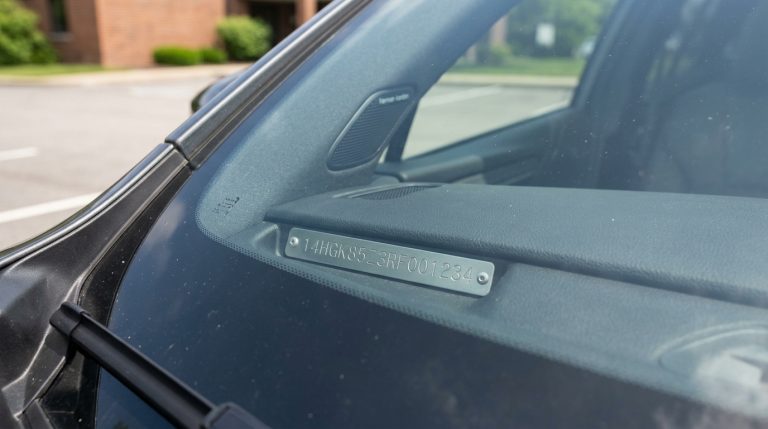
- Find the VIN — Check the dashboard (driver’s side, visible through the windshield), the driver’s door jamb sticker, or the vehicle’s registration. Most online listings include it too.
- Go to VINCheckup — Head to VINCheckup.com and enter the VIN.
- Review the free preview — VINCheckup runs a preliminary check showing basic info and major flags. This is free.
- Purchase the full report — Choose the package that fits how many cars you’re evaluating.
- Download the PDF immediately — Reports are stored for 30 days, but save a copy right away.
- Focus on the red flags — Title history first (any salvage, flood, or lemon brands?), then accidents, then odometer consistency.
Pro tip: Run the check before you go see the car. A five-minute check at home saves a wasted trip — and gives you negotiation leverage if you do go.
The Bottom Line: Is VINCheckup Worth It?
Yes — especially if you’re checking more than one vehicle.
Every vehicle history report service has limitations. No single report catches everything. But VINCheckup covers the critical safety and fraud indicators — title brands, accident history, odometer tampering, theft — using NMVTIS federal data. And it does it at a price that makes it realistic to check every car on your list, not just the one you’re already leaning toward.
At $4.99 per report on the 10-pack, you can check ten vehicles for less than a single Carfax report. Instead of gambling on one report and hoping you picked the right car, you can screen everything.
Is it as comprehensive as Carfax? No — less maintenance detail, no buyback guarantee. But for most used car buyers, VINCheckup answers the question that actually matters: is this car safe to buy, or is it hiding something?
That’s worth $5 to answer. Every time.
A vehicle history report is one layer of protection. Pair it with a pre-purchase inspection from an independent mechanic — the report catches what a mechanic can’t see (title history, insurance records), and the mechanic catches what the report can’t show (current mechanical condition). Together, they’re your best defense against a bad buy.