VIN Number Lookup: How to Check Any Vehicle’s History in Minutes
Buying a used car without running a VIN number lookup is like signing a contract you haven’t read. The vehicle sitting in front of you might look spotless, but under the surface there could be a hidden accident history, a salvage title, or an open recall that the seller conveniently forgot to mention.
A VIN number lookup gives you a detailed snapshot of a vehicle’s past in just a few minutes. Whether you’re shopping at a dealership, browsing private-party listings online, or just curious about your own car’s background, this guide walks you through exactly what a VIN lookup reveals, how to run one, and which services deliver the most accurate results.
According to the National Motor Vehicle Title Information System (NMVTIS), more than 800,000 vehicles are issued salvage or flood titles each year in the United States alone. That’s a staggering number of potentially unsafe cars cycling through the used market — and a VIN lookup is your first line of defense against buying one.
What Is a VIN Number Lookup?
A VIN number lookup is a search that uses a vehicle’s unique 17-character Vehicle Identification Number to pull its recorded history from multiple databases. Think of the VIN as a car’s fingerprint — no two vehicles share the same one, and it stays with the car from the factory floor to the junkyard.
The VIN encodes key details about a vehicle: where it was manufactured, the make, model, engine type, year, and production sequence. But a VIN lookup goes far beyond basic specs. It queries national and state-level databases to uncover things like accident reports, title changes, odometer readings, theft records, and active recalls.
If you’re new to VIN checks, our complete guide to VIN checks covers the fundamentals in depth.
What Does a VIN Number Lookup Reveal?
The value of a VIN lookup is in what it surfaces — the information sellers may not disclose. Here’s what a comprehensive report typically includes:
Title History and Branding
Every time a vehicle changes hands, the title is transferred. A VIN lookup shows you:
- Clean title vs. branded title — salvage, rebuilt, flood, lemon, or junk designations
- Title washing alerts — when a car is re-registered in a different state to scrub a branded title
- Number of previous owners — multiple short-term owners can be a red flag
Accident and Damage Reports
Major accidents reported to insurance companies, including:
- Collision reports with severity estimates
- Structural and frame damage indicators
- Airbag deployment records
- Hail, fire, and flood damage entries
Odometer Verification
The National Highway Traffic Safety Administration (NHTSA) estimates odometer fraud costs American consumers over $1 billion annually. A VIN lookup cross-references mileage readings from inspections, service records, and title transfers to spot suspicious rollbacks.
Recall and Safety Information
Open recalls — including Takata airbag recalls, which affected tens of millions of vehicles — show up in a thorough VIN number lookup. This is critical information, since unfixed recalls can be genuinely dangerous.
Theft Records
If a vehicle was reported stolen and never recovered, that shows up in a VIN search. And if it was recovered with a clean title, a VIN check will often flag the theft history so you know what you’re dealing with.
How to Perform a VIN Number Lookup
Running a VIN lookup is straightforward. Here’s the step-by-step process:
Step 1: Find the VIN
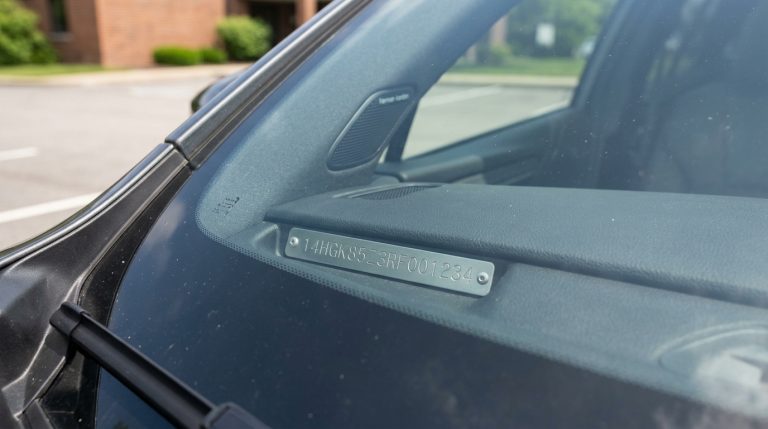
The VIN is located in several places on the vehicle:
- Dashboard — visible through the windshield on the driver’s side
- Driver’s door jamb — on a sticker with other vehicle specs
- Vehicle registration or title — printed on official documents
- Insurance card — listed on your policy documents
Step 2: Choose a VIN Lookup Service
Not all VIN lookup services are created equal. Some pull from a single database, while others aggregate data from dozens of sources including NMVTIS, insurance records, auction data, and state DMV records. We’ll compare your options in the next section.
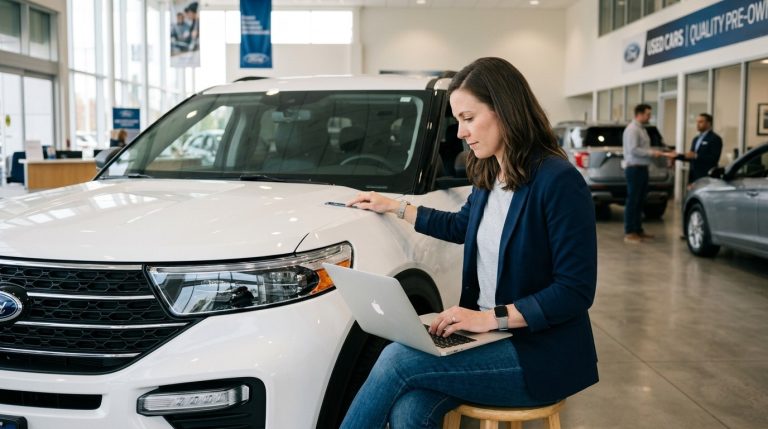
Step 3: Enter the VIN and Review the Report
Paste the 17-character VIN into the search field, confirm the vehicle details match what you expect (make, model, year), and review the full report. Pay special attention to title branding, accident history, and odometer discrepancies.
Free vs. Paid VIN Lookup: What’s the Difference?
You’ll find both free and paid VIN number lookup options online. Here’s what each level gives you:
Free VIN Lookup Services
Free tools — including the NHTSA’s official recall lookup tool — are useful for basic checks. They typically provide:
- Vehicle specifications (make, model, year, engine)
- Open recall information
- Basic theft check (NICB VINCheck)
However, free lookups usually don’t include accident history, detailed title records, or odometer verification — the data points that matter most when you’re about to spend thousands on a used car.
Paid VIN Lookup Services
A paid VIN number lookup aggregates data from multiple sources to build a comprehensive vehicle history report. These typically include everything the free tools offer, plus:
- Full accident and insurance claim history
- Detailed title chain and branding records
- Odometer reading history with rollback detection
- Auction records with photos
- Service and maintenance records
- Market value estimates
When you’re making a purchase that costs $15,000 to $30,000 or more, spending a few dollars on a thorough VIN report is the smartest investment you can make.
Why We Recommend VINCheckup for Your VIN Number Lookup
After testing numerous vehicle history services, VINCheckup consistently delivers the most thorough reports at a competitive price point. Here’s why it stands out:
- NMVTIS-certified data — VINCheckup pulls directly from the federally mandated NMVTIS database, which means you’re getting the same title and branding data used by law enforcement and insurance companies
- Comprehensive coverage — accident reports, title history, odometer checks, recall data, and theft records are all included in a single report
- Affordable pricing — single reports and multi-report bundles are priced well below major competitors like Carfax
- Clean, readable reports — information is organized clearly with visual indicators for potential issues
For a detailed breakdown, read our full VINCheckup review.
Ready to check a vehicle? Run a VIN number lookup on VINCheckup now and get your report in minutes.
Common Reasons to Run a VIN Lookup
A VIN number lookup isn’t just for car buyers. Here are the most common scenarios where running a check makes sense:
Before Buying a Used Car
This is the obvious one. Whether you’re buying from a dealer, a private seller, or an online marketplace like Carvana or Facebook Marketplace, a VIN lookup protects you from hidden problems. The Federal Trade Commission (FTC) recommends always getting a vehicle history report before completing a used car purchase.
Checking Your Own Vehicle Before Selling
Sellers benefit too. Running a VIN check on your own car before listing it lets you address any inaccuracies and provide the report to potential buyers — which builds trust and often speeds up the sale.
After a Major Repair
If your car was in an accident and underwent significant repair, a VIN lookup can confirm whether the insurance claim and repair records are properly documented.
Verifying a Classic or Collector Car
Classic car buyers use VIN lookups to verify authenticity, confirm original specs, and trace ownership history — crucial for vehicles where provenance directly affects value.
Red Flags to Watch For in VIN Lookup Results
When you review a VIN number lookup report, keep an eye out for these warning signs:
- Salvage or rebuilt title — The vehicle was previously declared a total loss. While rebuilt cars can be fine, they’re harder to insure and typically worth 20-40% less than clean-title equivalents.
- Odometer discrepancy — If the mileage goes down between recorded readings, that’s a potential rollback. Walk away.
- Multiple owners in a short period — Frequent flipping can indicate ongoing mechanical problems that each owner discovered and passed along.
- Flood damage history — Flood-damaged vehicles can develop persistent electrical problems, mold, and corrosion that may not be visible during a quick inspection.
- Title issued in a different state than where the car is sold — This isn’t always a red flag, but combined with other issues it can suggest title washing.
- Open safety recalls — Especially critical recalls like airbag or fuel system issues. These should be repaired (free of charge at any authorized dealer) before you take ownership.
Frequently Asked Questions About VIN Number Lookups
Is a VIN number lookup really necessary?
Yes. Even vehicles that look perfect can have hidden histories. A VIN lookup is the only way to verify what’s behind the paint job and polished interior. Consumer protection groups, the FTC, and automotive experts all recommend it as a standard part of the buying process.
Can I trust a free VIN lookup?
Free VIN lookups are useful for basic information like recalls and specs, but they don’t include the deep data — accident history, title branding, odometer records — that a paid report provides. For a purchase of this size, a paid report from a service like VINCheckup is worth every penny.
How long does a VIN lookup take?
Most online VIN lookup services return results instantly or within a few minutes. You enter the 17-digit VIN, and the system queries its databases in real time.
What if the VIN doesn’t return any results?
If a VIN lookup returns no data, verify that you’ve entered it correctly — VINs are exactly 17 characters and never include the letters I, O, or Q. If it’s correct and still returns nothing, the vehicle may be too old (pre-1981 VINs use a different format), imported from overseas, or the VIN may have been tampered with, which is a serious red flag.
Can a dealer refuse to give me the VIN?
No. The VIN is not confidential — it’s visible on the vehicle itself and on the title. Any reputable dealer will provide it without hesitation. If a seller is reluctant to share the VIN, that alone is reason enough to walk away from the deal.
The Bottom Line
A VIN number lookup takes minutes and can save you thousands of dollars — or keep you out of an unsafe vehicle entirely. Whether you’re a first-time buyer or a seasoned car shopper, checking a vehicle’s history through its VIN should be a non-negotiable step in your buying process.
The smartest approach: start with NHTSA’s free recall check, then run a full report through VINCheckup for the complete picture. It’s a small investment that pays for itself the moment it flags something a seller didn’t disclose.