Free VIN Check: What You Actually Get (And What You Don’t)
You found a used car that looks perfect — right price, low miles, clean exterior. Before you hand over your hard-earned money, there’s one step that takes less than five minutes and could save you thousands: running a free VIN check.
Every year, roughly 40 million used cars change hands in the United States. And according to the National Insurance Crime Bureau (NICB), tens of thousands of those vehicles carry hidden histories — flood damage, salvage titles, odometer fraud, or even theft records that sellers conveniently forget to mention. A quick VIN lookup is your first line of defense.
But here’s the thing most buyers don’t realize: not all vehicle history tools are created equal. A no-cost VIN lookup can tell you a surprising amount about a vehicle, but it also has real limitations that could leave you exposed. In this guide, we’ll break down exactly what a free VIN check reveals, what it doesn’t, and when you should invest in a full vehicle history report.
What Is a Free VIN Check?
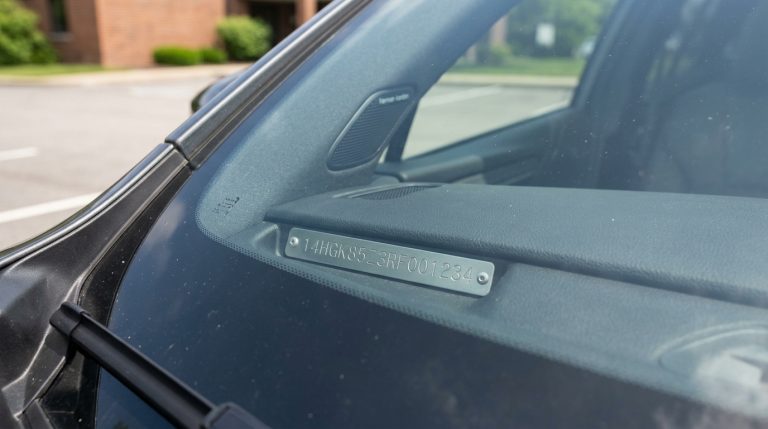
A Vehicle Identification Number (VIN) is a unique 17-character code stamped onto every car manufactured since 1981. Think of it as a vehicle’s fingerprint — no two are alike. A VIN check uses this code to pull data from various databases about the car’s past.
A complimentary VIN lookup queries publicly available databases to surface basic information about a vehicle. The most commonly used free source is the National Highway Traffic Safety Administration (NHTSA) database, which provides recall and safety information. Some free tools also tap into limited portions of the National Motor Vehicle Title Information System (NMVTIS) or state DMV records.
You’ll usually find these free tools on vehicle history websites, insurance company portals, or government agency sites. They’re designed to give you a quick snapshot — not the full picture.
What a Free VIN Check Actually Shows You
Despite costing nothing, a basic VIN lookup can reveal more than most buyers expect. Here’s what you’ll typically get:
Vehicle Specifications
- Year, make, and model — Confirms the seller’s claims match the factory records
- Engine type and size — Verify you’re getting the engine package you’re paying for
- Transmission type — Automatic, manual, or CVT as built at the factory
- Manufacturing plant and country of origin — Useful for understanding build quality patterns
- Trim level and standard equipment — What the car came with from the factory
Safety Recall Information
This is arguably the most valuable data in a no-cost VIN lookup. The NHTSA database tracks every safety recall issued for a specific vehicle, including:
- Open (unrepaired) recalls
- Completed recall repairs
- Technical service bulletins (TSBs)
- Safety complaints filed by other owners
In 2024 alone, automakers issued over 900 safety recalls affecting tens of millions of vehicles. Some of these involve critical defects like faulty airbags, brake failures, or fire risks. Checking for open recalls before buying is non-negotiable.
Basic Title Brand Information
Some complimentary VIN lookup tools pull limited data from NMVTIS, which may show whether a vehicle currently carries a branded title — such as salvage, rebuilt, flood, or junk status. However, the depth and reliability of this data varies significantly between free tools.
What a Free VIN Check Won’t Tell You
Here’s where no-cost VIN tools fall short — and where uninformed buyers get burned. These gaps are exactly why paid vehicle history reports exist:
Detailed Accident History
Free tools almost never include accident records. You won’t see whether the car was involved in a major collision, how severe the damage was, or which parts of the vehicle were affected. For context, industry estimates suggest that roughly one in three used cars on the market has some form of unreported damage.
Odometer Verification
Odometer fraud remains a persistent problem. The NHTSA estimates that over 450,000 vehicles are sold each year with rolled-back odometers, costing buyers an estimated $1 billion annually. Free VIN checks rarely include odometer reading history — the kind of data that shows whether the mileage has been suspiciously reset or doesn’t match service records.
Ownership History
How many people have owned the car? Was it a personal vehicle, a rental fleet car, or a commercial vehicle? Was it ever registered in a state known for flooding or harsh road salt? Free VIN checks typically won’t answer these questions.
Lien and Loan Information
If there’s an outstanding loan on the vehicle, the seller may not legally be able to transfer a clean title to you. No-cost VIN tools usually don’t reveal whether a car has an active lien.
Service and Maintenance Records
Paid reports often include service history from dealerships and major repair chains. This data tells you whether the car was properly maintained — regular oil changes, timing belt replacements, transmission services — or neglected. Unpaid tools don’t include this.
Detailed Title History
While a basic check might show the current title status, it usually won’t reveal the history of title changes. This matters because of a scam called title washing — where a car with a salvage or flood title is re-registered in a state with looser regulations to get a “clean” title. A comprehensive VIN check traces the title across every state where the car has been registered.
Free VIN Check vs. Paid Vehicle History Reports
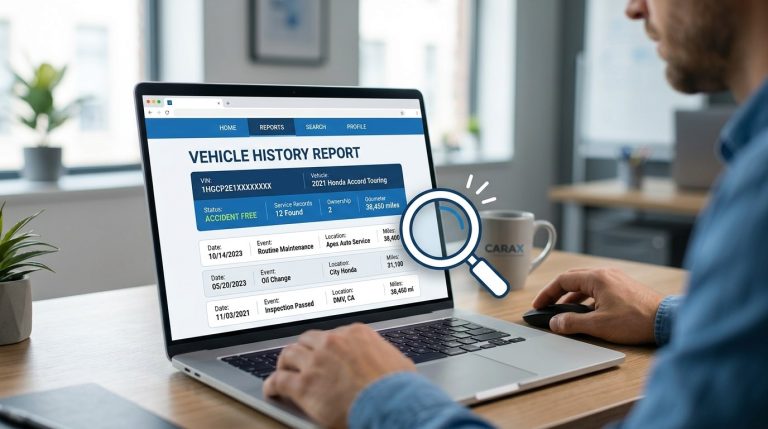
To put it simply: a no-cost VIN lookup is a screening tool, while a paid vehicle history report is a full investigation. Here’s how they compare:
| Feature | Free VIN Check | Paid Report |
|---|---|---|
| Vehicle specifications | ✅ | ✅ |
| Safety recalls | ✅ | ✅ |
| Accident history | ❌ | ✅ |
| Odometer readings | ❌ | ✅ |
| Title history (all states) | Limited | ✅ |
| Ownership count | ❌ | ✅ |
| Service records | ❌ | ✅ |
| Lien information | ❌ | ✅ |
| Flood/fire/hail damage | ❌ | ✅ |
The bottom line? A free VIN check is a great starting point. But if you’re seriously considering buying a vehicle, the gaps in free data are exactly where costly surprises hide.
Where to Get a Free VIN Check in 2026
If you want to run a quick free VIN check, here are the most reliable sources:
1. NHTSA (nhtsa.gov)
The NHTSA’s free lookup tool is the gold standard for safety recalls. Enter any VIN and you’ll get a complete list of open and completed recalls, safety complaints, and technical service bulletins. This should be your first stop — always.
2. NICB VINCheck
The National Insurance Crime Bureau’s VINCheck tool lets you search for theft records and salvage/total loss history reported by insurance companies. It’s limited to five searches per day, but it’s genuinely useful for catching stolen vehicles or undisclosed total losses.
3. NMVTIS-Approved Providers
Some NMVTIS-approved providers offer limited free checks that pull from the federal title database. These can surface brand history (salvage, flood, etc.) but typically don’t include the detail you’d get from a full paid report.
4. Manufacturer Websites
Many automakers (Toyota, Honda, Ford, BMW, etc.) offer free recall lookups for their own brands. These are often more up-to-date than third-party tools because they pull directly from the manufacturer’s internal systems.
When You Need More Than a Free VIN Check
A free VIN check is sufficient when you’re casually browsing listings and want to quickly eliminate obvious red flags. But there are clear situations where you need a comprehensive paid report:
- You’re ready to buy — Before putting down a deposit or signing anything, a full report is essential. The cost of a report is trivial compared to the cost of buying a lemon.
- The price seems too good to be true — Suspiciously low prices often mask hidden problems. A full VIN check can reveal why a car is priced below market value.
- You’re buying from a private seller — Dealers have legal disclosure obligations in most states. Private sellers? Not so much. A comprehensive report is your protection.
- The car was registered in multiple states — This is a classic indicator of potential title washing. A full history report traces the car across all states.
- You’re buying a car over 5 years old — Older vehicles have had more time to accumulate hidden history. The longer the car has been on the road, the more important a thorough check becomes.
- You notice any physical red flags — Mismatched paint, musty odors, uneven panel gaps, or new carpet in an older car can all signal undisclosed damage that a full report may confirm.
How to Run a Complete VIN Check with VINCheckup
When you’re ready to go beyond the basics, VINCheckup provides a full NMVTIS-based vehicle history report that covers what free tools miss. Here’s what makes it stand out:
- Full NMVTIS data access — Title history, brand records, and salvage/junk/insurance information from all 50 states
- Odometer verification — Spot rolled-back or inconsistent mileage readings
- Accident and damage records — See reported collisions, flood damage, fire damage, and hail damage
- Theft records — Verify the car isn’t stolen or has unresolved theft history
- Affordable pricing — Significantly less expensive than legacy providers like Carfax, with comparable data depth
Running a report takes about 30 seconds. Just enter the 17-digit VIN on VINCheckup’s website, and you’ll get a detailed report you can review on any device. For a deeper dive into how VINCheckup compares to other services, check out our full VINCheckup review.
Our recommendation: always start with the free resources above to screen vehicles, then run a full VINCheckup report on any car you’re seriously considering. The small investment could save you from a five-figure mistake.
Pro Tips for Getting the Most Out of Your VIN Check
Whether you’re using a free tool or a paid report, these tips will help you get more value from the process:
- Always verify the VIN physically — Check the VIN on the dashboard (visible through the windshield, driver’s side) AND on the driver’s door jamb sticker. If they don’t match, walk away immediately.
- Cross-reference multiple free sources — Run the VIN through NHTSA, NICB, and at least one other free tool. Different databases may surface different information.
- Check the VIN before seeing the car — Ask the seller for the VIN upfront. If they refuse or make excuses, that’s a major red flag.
- Don’t rely on the seller’s report — Always run your own VIN check. A seller could provide an outdated or even fabricated report.
- Save your reports — Download and keep copies. If issues surface later, your pre-purchase report is documentation that could support a legal claim.
Frequently Asked Questions About Free VIN Checks
Is a free VIN check really free?
Yes — NHTSA and NICB offer genuinely free VIN lookups with no hidden charges. Be cautious of sites that advertise “free” checks but require credit card information or try to upsell you before showing any results.
How accurate is a free VIN check?
The data from official sources like NHTSA is highly accurate for what it covers (recalls and safety issues). However, free checks are limited in scope. They won’t show you accident history, odometer readings, or detailed title changes — so they’re accurate but incomplete.
Can I trust a VIN check from a dealer?
Dealers sometimes provide vehicle history reports, and these are generally legitimate. However, you should still run your own independent check. A dealer has a financial incentive to sell you the car; an independent report gives you unbiased data.
How often should I check a VIN?
At minimum, check the VIN when you’re first considering a vehicle and again right before finalizing the purchase. New recalls or title changes can occur between your initial research and the closing date.
What if a free VIN check shows a recall?
If the vehicle has an open recall, contact the manufacturer’s nearest dealership. Recall repairs are always free to the vehicle owner, regardless of the car’s age or mileage. You can negotiate with the seller to have the recall addressed before purchase — or use it as leverage in price negotiations.
Can a VIN check detect odometer fraud?
Free VIN checks typically cannot. However, a paid report from a service like VINCheckup includes historical odometer readings from inspections, service visits, and title transfers, making it much easier to spot inconsistencies.
The Bottom Line on Free VIN Checks
A free VIN check is a smart, zero-risk first step that every used car buyer should take. It’s fast, it’s easy, and it can catch critical safety recalls and obvious title problems before you waste time on a bad deal.
But let’s be honest: free tools have real limitations. They won’t show you accident history, odometer fraud, detailed title changes, or service records. If you’re getting ready to sign on the dotted line, a comprehensive report from VINCheckup fills in the gaps that free checks leave behind — and it costs a fraction of what you’d lose on a vehicle with hidden problems.
Start free. Get serious with a full report. Either way, never buy a used car without checking the VIN first.