Top 5 Best VIN Check Services: Your Ultimate Guide to Vehicle History Reports
Buying a used car can be an exciting journey, but it’s also fraught with potential pitfalls if you don’t do your homework. A Vehicle Identification Number (VIN) check is your ultimate tool for uncovering a car’s hidden past, revealing crucial details that could save you from a costly mistake or a dangerous purchase.
Imagine discovering after the fact that your new-to-you car has a salvaged title, unreported accidents, or even an odometer rollback. Without a thorough VIN check, these nasty surprises can turn your dream car into a financial nightmare. This comprehensive guide will walk you through the top VIN check services available, helping you make an informed decision and drive away with confidence.
What is a VIN Check and Why is it Crucial for Your Next Car Purchase?
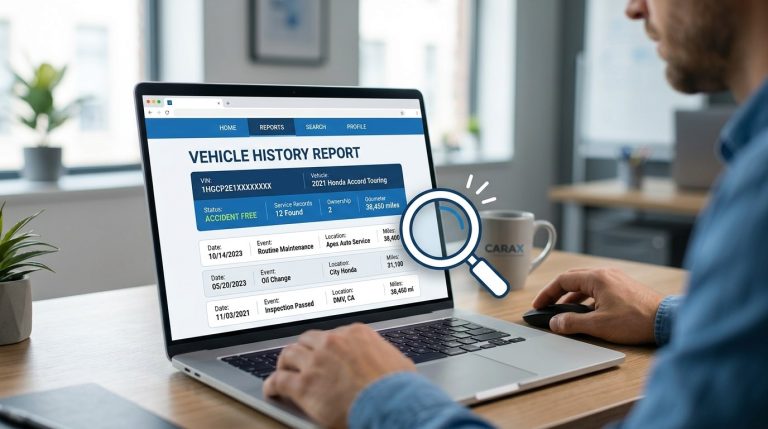
A VIN check, often referred to as a vehicle history report, is an essential step in the used car buying process. It involves using the car’s unique 17-character VIN – a serial number that identifies every vehicle – to access a detailed report about its past. Think of it as a car’s resume, outlining its entire working life.
The importance of a VIN check cannot be overstated. It’s not just about uncovering potential issues; it’s about safeguarding your investment, ensuring your safety, and providing invaluable peace of mind. Without it, you’re essentially buying a car blind. To learn more about this vital process, explore what is a VIN check.
Key Reasons Why a VIN Check is Non-Negotiable:
- Safety Assurance: Uncover unrepaired recalls, accident damage, or structural issues that could compromise your safety on the road. The National Highway Traffic Safety Administration (NHTSA) recommends checking for open recalls before purchasing any used vehicle.
- Financial Protection: Avoid overpaying for a vehicle with a hidden history. A VIN check helps you identify issues like flood damage, salvage titles, or previous total losses that significantly devalue a car.
- Legal Protection: Verify the car’s legal status, ensuring it hasn’t been reported stolen or has outstanding liens against it.
- Informed Negotiation: Armed with a comprehensive report, you have leverage during price negotiations, potentially saving you hundreds or even thousands of dollars.
Understanding the Data: What Does a Comprehensive VIN Check Reveal?
A quality VIN check report compiles a wealth of information from various sources, painting a complete picture of a vehicle’s life. While the exact details can vary slightly between providers, here’s what you can generally expect to find:
- Accident History: Details on reported accidents, including severity, damage location, and airbag deployment.
- Salvage, Flood, Fire, or Hail Damage: Identification of vehicles declared a total loss due to severe damage.
- Odometer Rollback: Alerts if the odometer readings show inconsistencies, a common tactic used by fraudulent sellers. The Federal Trade Commission (FTC) warns consumers about the prevalence of odometer fraud.
- Lien and Repossession History: Information on outstanding loans or repossessions that could affect your ownership.
- Manufacturer Recalls: A list of open or unrepaired safety recalls issued by the manufacturer.
- Service and Maintenance Records: In some cases, details about routine maintenance, oil changes, and repairs performed at dealerships or certified shops.
- Title History: Records of previous titles, including branded titles (e.g., salvage, rebuilt, flood), and the number of previous owners.
- Theft History: Check if the vehicle has ever been reported stolen.
How Do VIN Check Services Get Their Data?
The accuracy and depth of a VIN check report depend heavily on the data sources employed by the service. Reputable providers pull information from a vast network of public and private entities:
- National Motor Vehicle Title Information System (NMVTIS): This federal database, managed by the U.S. Department of Justice, is a crucial source. It provides information on title brands (like salvage or flood), odometer readings, and theft history from state DMVs, insurance carriers, and junk and salvage yards. Most reputable VIN check services are authorized NMVTIS data providers.
- State Departments of Motor Vehicles (DMVs): Provide title and registration information.
- Insurance Companies: Report total loss claims and accident data.
- Collision Repair Shops: Supply repair estimates and actual repair records.
- Auto Auctions: Offer records of vehicles sold through auction, often including details on condition and damage.
- Law Enforcement Agencies: Provide theft and recovery data.
- Vehicle Manufacturers: Supply recall information and sometimes service history.
Key Factors to Consider When Choosing a VIN Check Service
With several VIN check services on the market, choosing the right one can feel daunting. Here are the critical factors to weigh before making your decision:
- Data Accuracy & Comprehensiveness: This is paramount. Does the service draw from NMVTIS and a wide array of other sources? Does it provide detailed accident reports, title history, and recall information?
- Pricing & Report Options: Services offer various pricing models: single reports, multi-report packages, or unlimited access subscriptions. Consider how many vehicles you plan to check.
- User Interface & Report Clarity: Is the report easy to read and understand? A well-organized, intuitive interface makes it simpler to digest complex information.
- Customer Support: In case you have questions or encounter issues, responsive and helpful customer service is a big plus.
- Speed of Delivery: Most services provide instant reports, but some might take longer for very specific historical data.
Top 5 Best VIN Check Services in 2024
To help you navigate the options, we’ve evaluated some of the leading VIN check services based on their data quality, features, and user experience. Remember, while some offer similar data, their presentation and additional tools can vary significantly.
1. Carfax: The Industry Standard
Carfax is arguably the most well-known and widely respected VIN check service. With a massive database accumulated over decades, Carfax reports are often considered the gold standard for comprehensive vehicle history.
- Key Features: Extensive accident history, detailed service records, open recall alerts, odometer readings, number of owners, and branded title information. They also offer a “Buyback Guarantee” for certain report inaccuracies.
- Pros: Most comprehensive database, trusted by dealerships, user-friendly reports, often includes maintenance records.
- Cons: Generally the most expensive option, especially for single reports.
2. AutoCheck: Great Value with Auction Data
AutoCheck, owned by Experian, is another top-tier service that often competes directly with Carfax. It’s particularly strong for those interested in a vehicle’s auction history and overall “score.”
- Key Features: Comprehensive accident, title, and recall data. Unique “AutoCheck Score” compares a vehicle to others of its make and model, helping assess its overall condition. Strong emphasis on auction history.
- Pros: Competitive pricing, includes auction data (useful for dealers or savvy buyers), AutoCheck Score provides a quick assessment, unlimited reports available.
- Cons: May sometimes have less detailed service records compared to Carfax.
3. Vincheckup: A Reliable & Affordable Alternative
Vincheckup is emerging as a strong contender, offering comprehensive reports at a more budget-friendly price point, making it an excellent option for consumers looking for detailed information without breaking the bank. For a deeper dive, check out our full Vincheckup review.
- Key Features: Provides accident history, odometer check, title history, salvage records, lien check, recall status, and environmental scores. They source data from NMVTIS and other proprietary databases.
- Pros: Cost-effective, detailed reports, user-friendly interface, good customer support.
- Cons: Newer to the market compared to giants like Carfax, so its database might still be growing in some niche areas.
- Pricing: Very competitive single report pricing, often with multi-report bundles. You can get a report from them directly here: Get a Vincheckup Report Now!
4. EpicVIN: Focus on Damage and Title History
EpicVIN provides detailed vehicle history reports with a strong emphasis on uncovering hidden damage and title issues. They pride themselves on using advanced algorithms to compile comprehensive data.
- Key Features: Focus on accident history, salvage and flood records, odometer readings, and theft checks. They also offer a lemon check feature.
- Pros: Good for identifying severe damage and title problems, competitive pricing, often includes photos of past damage if available.
- Cons: Service records might not be as extensive as Carfax, customer support can be slower.
5. Bumper: Modern Interface and Additional Tools
Bumper distinguishes itself with a modern, intuitive interface and a suite of additional tools beyond just VIN checks. It’s designed for buyers who want a broader scope of vehicle information.
- Key Features: Vehicle history reports (accidents, title, odometer), but also includes vehicle valuations, sales listings, recall alerts, and a mobile app. It’s more of a comprehensive vehicle information platform.
- Pros: Excellent user experience, mobile app, includes market insights and valuation tools, good for comparing multiple vehicles.
- Cons: Reports might not always be as granular on service history as Carfax, subscription model might not suit everyone.
Comparison Table: A Side-by-Side Look at Top VIN Check Services
Here’s a quick comparison to help you weigh the pros and cons of each service:
| Feature / Service | Carfax | AutoCheck | Vincheckup | EpicVIN | Bumper |
|---|---|---|---|---|---|
| Primary Data Source(s) | NMVTIS, extensive proprietary database, dealerships, service centers | NMVTIS, Experian, state DMVs, auctions | NMVTIS, proprietary databases, insurance companies | NMVTIS, insurance companies, law enforcement, auctions | NMVTIS, various public and private sources, market data |
| Accident History Detail | Excellent, often includes repair details | Very Good, comprehensive | Good, comprehensive | Very Good, often with photos | Good, comprehensive |
| Service/Maintenance Records | Excellent, very detailed | Good, less extensive than Carfax | Good | Moderate | Moderate |
| Odometer Fraud Check | Yes | Yes | Yes | Yes | Yes |
| Title Brands (Salvage, Flood, etc.) | Excellent | Excellent | Excellent | Excellent | Excellent |
| Lien/Theft Check | Yes | Yes | Yes | Yes | Yes |
| Recall Information | Yes | Yes | Yes | Yes | Yes |
| Unique Features | Buyback Guarantee, extensive service history | AutoCheck Score, strong auction data | Cost-effective, detailed reports | Lemon check, damage photos | Vehicle valuation, sales listings, mobile app |
| Pricing Model | Single, 3-pack, 5-pack | Single, 25-pack, unlimited (time-limited) | Single, multi-pack | Single, multi-pack | Subscription (unlimited) |
Free VIN Check Options: What You Need to Know
While premium services offer the most comprehensive reports, there are legitimate free options that can provide basic, but crucial, information. These are excellent starting points, but should not replace a paid report for a serious purchase.
- NHTSA’s VIN Lookup Tool: The National Highway Traffic Safety Administration offers a free tool to check for open safety recalls by VIN. This is absolutely essential for any vehicle.
- National Insurance Crime Bureau (NICB) VINCheck: This free service allows you to check if a vehicle has been reported stolen or declared a total loss by participating NICB member insurance companies.
- Limitations of Free Checks: Free services typically do not provide detailed accident history, service records, ownership history, or odometer discrepancies. They are excellent for specific checks (recalls, theft) but lack the depth of paid reports. For more details on these options, visit our guide on how to get a free VIN check.
Decoding Your VIN: A Quick Guide to Understanding the Numbers and Letters
The 17-character VIN isn’t just a random string; it’s a coded identifier packed with information about the vehicle. Each section of the VIN tells a story:
- Digits 1-3 (World Manufacturer Identifier – WMI): Identifies the country of origin, manufacturer, and vehicle type.
- Digits 4-9 (Vehicle Descriptor Section – VDS): Describes the vehicle’s attributes, such as body style, engine type, model, and series. Digit 9 is often a “check digit” used for authentication.
- Digits 10-17 (Vehicle Identifier Section – VIS): This is the unique identifier for that specific vehicle. Digit 10 indicates the model year, and digit 11 indicates the manufacturing plant. The remaining digits are the sequential production number.
Understanding how to interpret these digits can give you a quick overview of the car’s basic information before even running a full report. For a comprehensive breakdown, check out our article on how to read a VIN number. If you’re looking to simply locate the VIN, our VIN number lookup guide can help.
The Cost of Neglecting a VIN Check: Don’t Take the Risk
Skipping a VIN check to save a few dollars is a classic example of being penny wise and pound foolish. The potential costs associated with an unchecked vehicle far outweigh the price of a comprehensive report:
- Financial Disaster: Buying a car with hidden frame damage, a salvaged title, or a rolled-back odometer means you’re paying full price for a significantly devalued and potentially unsafe vehicle. Repairs for undisclosed damage can run into thousands.
- Safety Hazards: Unrepaired safety recalls can lead to critical component failures, putting you and your passengers at serious risk. Imagine a faulty airbag or braking system.
- Legal Complications: Unknowingly purchasing a stolen vehicle or one with an undisclosed lien can lead to legal battles, confiscation of the vehicle, and substantial financial loss.
- Loss of Resale Value: If you discover issues later, it will severely impact the car’s resale value, making it difficult to sell or trade in.
Conclusion: Drive Confidently with a Comprehensive VIN Check
In the complex world of used car sales, a VIN check is your most powerful ally. It empowers you with transparency, allowing you to make an informed decision and avoid common scams and hidden problems. While free options offer a good starting point, investing in a comprehensive report from services like Carfax, AutoCheck, or Vincheckup is a small price to pay for significant peace of mind and protection.
Before you commit to your next used car, take that crucial step: run a VIN check. It’s not just about finding what’s wrong; it’s about confirming what’s right and ensuring you drive away with a safe, reliable, and fairly priced vehicle. Your ultimate guide to a smarter car purchase starts here!
Frequently Asked Questions About VIN Check Services
What is the difference between Carfax and AutoCheck?
Both Carfax and AutoCheck provide comprehensive vehicle history reports, but they have some key differences. Carfax is often lauded for its extensive service and maintenance records, while AutoCheck is known for its “AutoCheck Score” and detailed auction history, which can be particularly useful for assessing a vehicle’s overall condition and market value. AutoCheck also tends to be slightly more affordable for multi-report packages. Ultimately, both are highly reputable, and choosing between them often comes down to specific needs and pricing at the time of purchase.
Can a VIN check reveal if a car has been in an accident that wasn’t reported to insurance?
A VIN check relies on reported data from various sources, including insurance companies, police reports, and repair shops. If an accident was minor and handled privately without involving insurance or law enforcement, it might not appear on a VIN check report. However, many services can still flag inconsistencies or structural damage if the vehicle was later inspected or repaired by a facility that reports to a database. It’s always best to combine a VIN check with a pre-purchase inspection by a trusted mechanic.
Are free VIN checks reliable enough for buying a used car?
Free VIN checks from sources like NHTSA (for recalls) and NICB (for theft/total loss) are reliable for the specific information they provide and are highly recommended as a first step. However, they are not comprehensive. They typically won’t include detailed accident history, service records, ownership history, or odometer fraud checks. For a serious used car purchase, a paid, comprehensive report from a reputable service is strongly advised to uncover the full vehicle history and protect your investment.
How often is VIN check data updated?
The frequency of data updates varies depending on the source. Major databases like NMVTIS are constantly being updated by state DMVs, insurance companies, and salvage yards. Reputable VIN check services strive to refresh their databases regularly to provide the most current information available. However, there can always be a slight delay between an event (like an accident or repair) occurring and it being reported and processed into the various databases. Always ensure the report you receive is as recent as possible.
Where can I find a car’s VIN number?
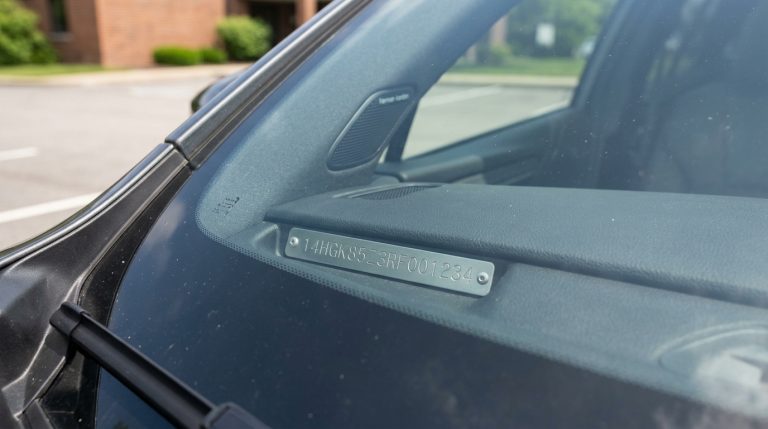
The VIN is typically located in several places on a vehicle. The most common spots include: on the dashboard, visible through the windshield on the driver’s side; on the driver’s side door jamb (where the door latches when closed); on the vehicle’s registration or insurance documents; and sometimes stamped on the engine block or frame. Knowing where to find the VIN is the first step to running any check.