NMVTIS Vehicle History: The Federal Database Behind VIN Checks
Did you know that an estimated 1 in 25 vehicles on the road has an undisclosed severe title brand, potentially making it unsafe or significantly devalued? Protecting yourself from such hidden dangers starts with understanding your vehicle’s past, and that’s where NMVTIS vehicle history reports become indispensable. This federal database offers a crucial layer of transparency, helping you uncover critical information about a car’s life before you buy.
As an expert SEO content writer for smartvinchecker.com, I’m here to guide you through the intricacies of NMVTIS, explaining its significance and how it empowers consumers to make informed decisions. By the end of this comprehensive guide, you’ll grasp why leveraging this powerful resource is non-negotiable for any savvy car buyer.
What is NMVTIS Vehicle History and Why Does It Matter?
The National Motor Vehicle Title Information System (NMVTIS) is a powerful, federally mandated database designed to protect consumers from fraud and unsafe vehicles. Managed by the U.S. Department of Justice, it serves as a central repository for critical data about a vehicle’s title, odometer readings, and significant damage history.
Unlike other vehicle history reports, NMVTIS is unique in its direct access to state motor vehicle department data, ensuring a high level of accuracy and comprehensiveness regarding title brands. This direct link makes the NMVTIS vehicle history a foundational tool for uncovering a car’s true past.
It matters because it provides a snapshot of a vehicle’s life that no other single source can replicate. From identifying salvage titles to detecting odometer fraud, NMVTIS offers unparalleled insights into a car’s structural and financial integrity, safeguarding your investment and your safety.
How Does the NMVTIS Database Work to Protect Consumers?
NMVTIS operates by collecting data from several authoritative sources across the United States. State motor vehicle departments are required by federal law to report title information to NMVTIS, including all title brands (e.g., salvage, flood, rebuilt, junk, irreparable).
In addition to state DMVs, insurance carriers, and auto recyclers (including junk and salvage yards) also contribute data. This multi-source approach ensures a comprehensive overview of a vehicle’s journey, making it extremely difficult for sellers to hide critical damage or previous issues.
The system’s primary goal, as outlined by the NHTSA and the FTC, is to prevent title washing and protect consumers from buying unsafe or stolen vehicles. By providing a clear record of a vehicle’s title history, NMVTIS empowers buyers to identify potential red flags before committing to a purchase.
Understanding NMVTIS Vehicle History Brands
One of the most valuable aspects of an NMVTIS vehicle history report is its detailed disclosure of title brands. These brands are labels applied to a vehicle’s title by a state’s DMV, indicating specific events or conditions that have significantly impacted the vehicle.
Common title brands include:
- Salvage: Issued when an insurance company declares a vehicle a total loss due to damage (e.g., collision, flood, fire) where repair costs exceed a certain percentage of its value.
- Junk: Similar to salvage, but often means the vehicle is beyond repair and intended for parts or scrap.
- Rebuilt: Applied to a vehicle that was previously branded as salvage but has since been repaired and inspected to be roadworthy.
- Flood: Indicates a vehicle has sustained significant damage from water submersion.
- Odometer Rollback: Signifies that the vehicle’s odometer has been tampered with.
Understanding these brands is critical because they directly impact a vehicle’s safety, reliability, and resale value. A vehicle with a salvage or flood brand, even if repaired, may never fully regain its original integrity or market worth.
Decoding Your NMVTIS Vehicle History Report
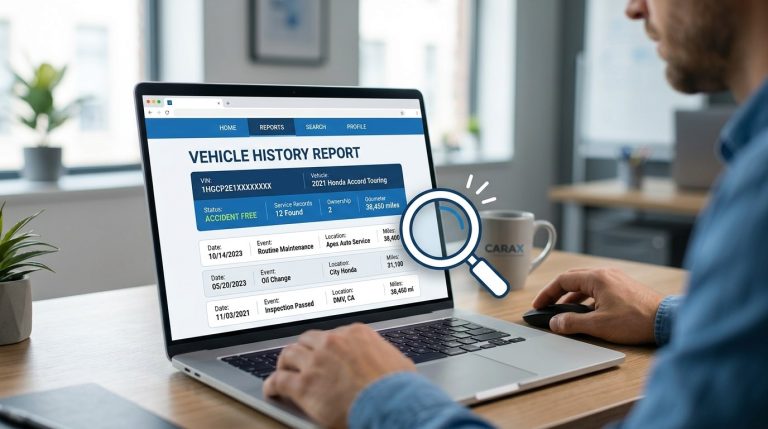
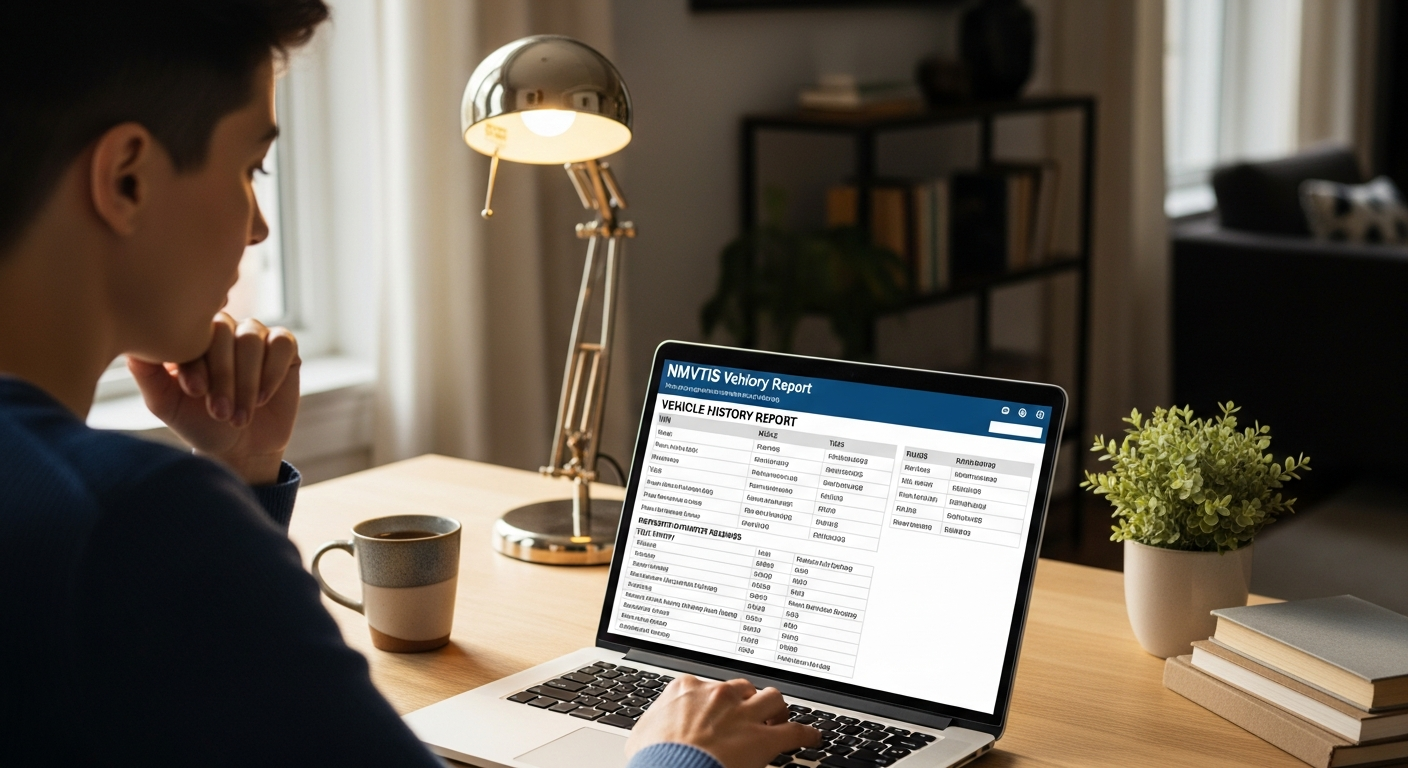
When you obtain an NMVTIS report, you’ll receive a concise yet powerful summary of a vehicle’s past. It’s not just about seeing a list of brands; it’s about interpreting the data to make an informed decision. Key elements to scrutinize include the vehicle’s current title status, previous title brands, and reported odometer readings.
Always compare the reported odometer readings with the vehicle’s physical odometer to detect potential tampering. Look for any inconsistencies or sudden drops in mileage, which could indicate fraud. The presence of multiple title brands, especially from different states, can also signal a complex history that warrants further investigation.
Remember, while an NMVTIS vehicle history provides essential data, it’s a foundational report. It’s often best used in conjunction with a physical inspection and potentially other detailed reports for a complete picture. For a deeper dive into VIN checks, visit smartvinchecker.com/what-is-a-vin-check/.
The Role of NMVTIS Vehicle History in Preventing Fraud
NMVTIS is a powerful weapon in the fight against automotive fraud. Its federal mandate and comprehensive data collection make it uniquely effective in combating common fraudulent practices that cost consumers billions annually. The system’s ability to track vehicles across state lines is particularly crucial.
One of the most significant threats NMVTIS addresses is title washing. This occurs when a vehicle with a severe title brand (like salvage or flood) in one state is moved to another state where the brand might be dropped or masked during the retitling process. Because NMVTIS requires all states to report title information, it creates a national record that makes title washing extremely difficult to conceal.
Furthermore, NMVTIS helps identify stolen vehicles by flagging them in the database. It also plays a vital role in exposing odometer fraud, where unscrupulous sellers illegally alter a vehicle’s mileage to inflate its value. By providing historical odometer readings from various reporting entities, the NMVTIS vehicle history report offers a strong defense against these deceptive practices.
NMVTIS vs. Other Vehicle History Reports: A Comparison
While several services offer vehicle history reports, NMVTIS stands apart due to its federal backing and specific data sources. Understanding these differences is key to choosing the right report for your needs.
| Feature | NMVTIS Vehicle History | Other Commercial Reports (e.g., Carfax, AutoCheck) |
|---|---|---|
| Primary Data Source | State DMVs, Insurance Carriers, Junk/Salvage Yards (federally mandated) | Dealerships, repair shops, police reports, rental agencies, auctions, etc. |
| Focus | Title Brands, Odometer Fraud, Major Damage, Theft History | Service records, accident details, ownership history, minor damage, recalls |
| Mandate | Federal Law (Anti-Theft Act of 1992) | Commercial service, no federal mandate |
| Unique Benefit | Best for uncovering title washing and severe undisclosed damage | More detailed service/accident history, recall information |
| Cost | Generally lower cost or included with other checks | Typically higher cost for premium reports |
While commercial reports provide valuable insights into maintenance and minor accidents, the NMVTIS report offers the definitive word on a vehicle’s title status and major structural damage. For the most complete picture, many experts recommend combining an NMVTIS check with a more detailed report and a pre-purchase inspection.
How to Get Your NMVTIS Vehicle History Report
Accessing your NMVTIS vehicle history report is straightforward, but it’s important to use an authorized provider. SmartVINChecker.com partners with reliable services to give you access to this crucial information. You’ll typically need the vehicle’s 17-character Vehicle Identification Number (VIN) to initiate the search.
To get started, simply visit our dedicated free VIN check page or our comprehensive VIN number lookup tool. We guide you through the process, ensuring you receive an accurate and up-to-date report.
For a highly recommended and thorough check, consider using VinCheckUp.com, an authorized NMVTIS data provider. Their reports are comprehensive and easy to understand, giving you peace of mind.
Beyond the Basics: Advanced Tips for Using Your NMVTIS Vehicle History
Simply getting an NMVTIS report is the first step; effectively using its information is where true consumer protection lies. Here are some advanced tips:
- Cross-Reference with Other Information: Always compare the NMVTIS data with any other vehicle history reports you obtain (like those from VinCheckUp Review) and the seller’s disclosures. Look for discrepancies, especially regarding mileage, accident history, and title brands.
- Schedule a Pre-Purchase Inspection (PPI): An NMVTIS report reveals the past, but a PPI by a certified mechanic assesses the present condition. If the report indicates previous damage, a PPI can confirm if repairs were done correctly and if any lingering issues exist.
- Understand State-Specific Laws: Title branding laws can vary slightly between states. While NMVTIS provides a national overview, understanding how your specific state handles certain brands can be beneficial.
- Don’t Ignore ‘Junk’ or ‘Irreparable’ Brands: These titles mean a vehicle is legally unfit for road use and cannot be retitled. If an NMVTIS report shows these, walk away immediately, regardless of what a seller claims.
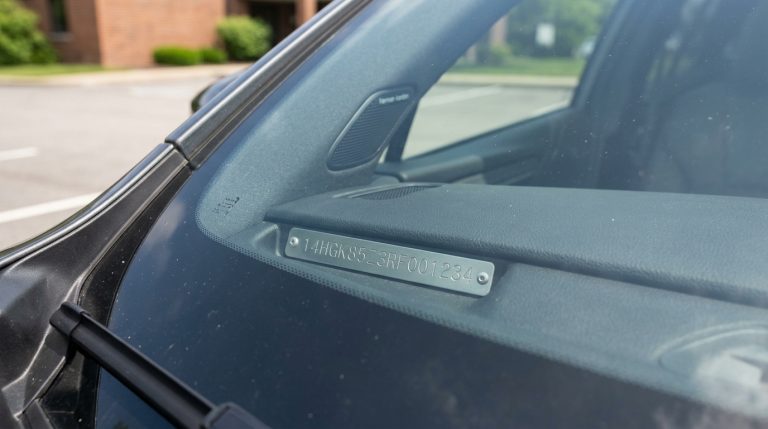
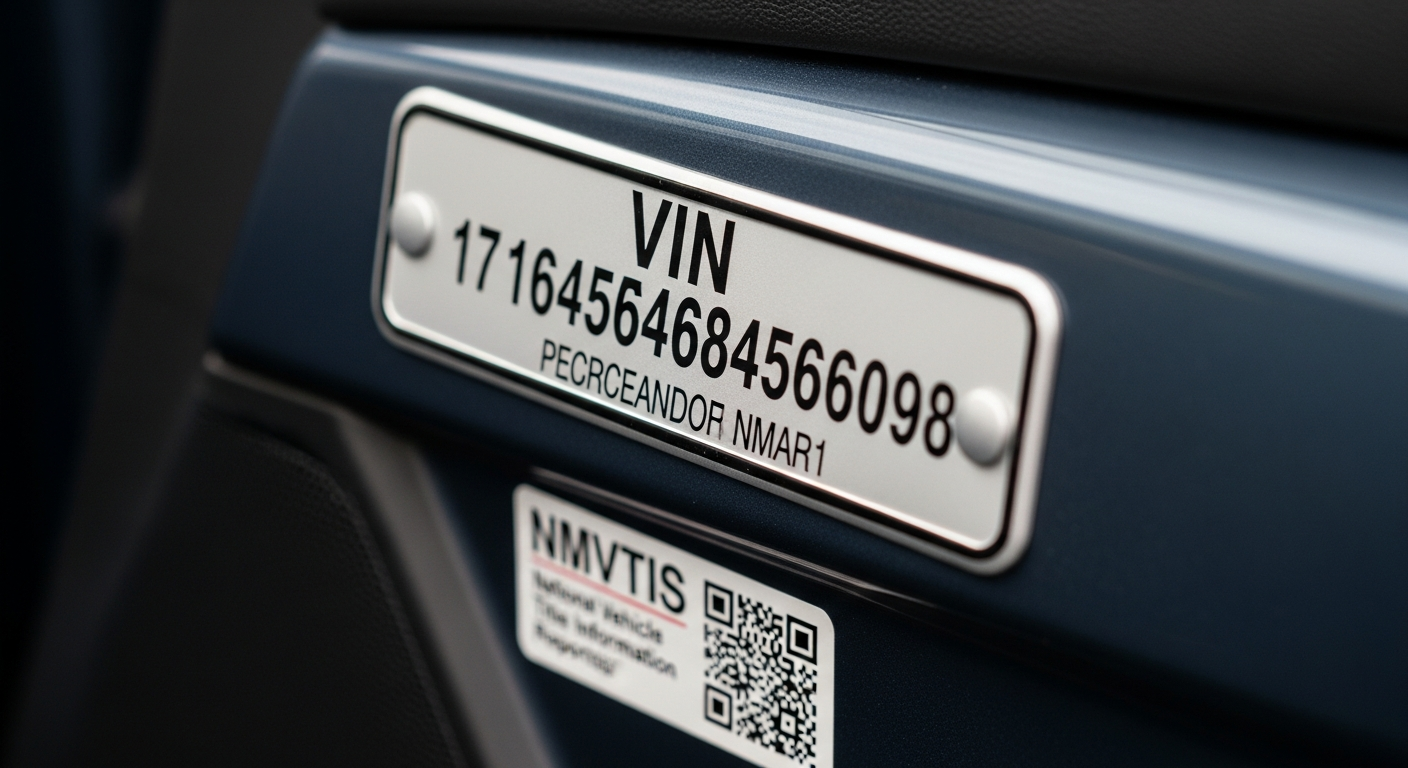
- Verify the VIN: Ensure the VIN on the report matches the VIN on the vehicle’s dashboard, door jamb, and title document. A mismatch is a major red flag for potential fraud. Learn more about how to read a VIN number to verify accuracy.
By taking these extra steps, you transform your NMVTIS vehicle history report from a mere document into a powerful tool for negotiation and protection.
Frequently Asked Questions About NMVTIS Vehicle History
Q1: Is NMVTIS the same as a Carfax report?
A1: No, NMVTIS and Carfax reports are not the same. NMVTIS is a federally mandated system focusing on title brands, odometer readings, and major damage from state DMVs, insurance companies, and salvage yards. Carfax is a commercial service that gathers data from a broader range of sources, including service centers, police reports, and dealerships, offering more detailed service and accident history.
Q2: Can I get a free NMVTIS vehicle history report?
A2: While some basic VIN checks might offer limited information for free, a full, official NMVTIS report usually comes with a small fee. This fee covers the cost of accessing the comprehensive federal database through authorized providers. Be wary of sites promising completely free, full NMVTIS reports, as they may not be legitimate.
Q3: What kind of information does an NMVTIS report provide?
A3: An NMVTIS report primarily provides information on a vehicle’s title history, including all reported title brands (e.g., salvage, flood, rebuilt, junk, irreparable), reported odometer readings, and theft history. It also identifies the state of the last title and the date it was issued.
Q4: How often is the NMVTIS database updated?
A4: State DMVs and other reporting entities are required to update the NMVTIS database regularly. For title information, states must generally report within 24 hours of issuing, transferring, or branding a title. This frequent updating ensures the information is as current as possible.
Q5: Is NMVTIS available for all vehicles?
A5: NMVTIS covers most passenger vehicles, motorcycles, and light trucks. However, it primarily focuses on vehicles titled in the U.S. and some U.S. territories. Vehicles that have never been titled in the U.S. or are very old may have limited or no data available.
Q6: Why should I trust an NMVTIS report over other sources?
A6: You should trust an NMVTIS report because it’s sourced directly from government entities (state DMVs) and other mandated reporters like insurance companies and salvage yards. This direct, federally mandated data stream makes it the most authoritative source for verifying a vehicle’s title status and major damage history, making it very difficult for critical information to be hidden, unlike other commercial reports that rely on voluntarily reported data.
Conclusion
In the complex world of used car buying, knowledge is your most powerful asset. The NMVTIS vehicle history report offers an unparalleled layer of protection, providing direct access to federally mandated data that can expose hidden title issues, severe damage, and odometer fraud. It’s an indispensable tool for anyone looking to make a safe and informed vehicle purchase.
Don’t leave your investment to chance. Always conduct a thorough VIN check, starting with an NMVTIS report, and consider combining it with a comprehensive review from a trusted provider like VinCheckUp.com. By leveraging the power of NMVTIS, you’re not just buying a car; you’re buying peace of mind. Visit smartvinchecker.com today to start your journey towards a smarter, safer vehicle purchase.